Paint Matching Matters
Vehicle Paint Matching Matters for Lasting Repairs
A good car paint matching service does more than make a scratch or damaged fender look better from a distance. It helps the repaired area blend with the rest of your vehicle, so one panel does not stand out in the grocery store parking lot or in bright Tennessee sunlight. After an accident, even a small color difference can make an otherwise solid repair feel unfinished.
At Brasfield Body Shop & Wrecker Service, we understand that your vehicle needs to look right as well as drive safely. Paint work is one part of restoring a vehicle after collision damage, rust repair, or cosmetic body damage. The best result comes from careful preparation, the right color formula, and the experience to blend the finish properly.
Why Exact Paint Matching Is Harder Than It Sounds
A vehicle's paint code is a useful starting point, but it is not always the complete answer. The code identifies the original factory color, yet the color on your vehicle may have changed slightly over time. Sun exposure, weather, washing habits, road grime, and the age of the finish all affect how paint appears.
Two vehicles with the same factory paint code can look a little different after several years on the road. A silver truck that spends every day outside may show a different tone than a similar truck kept in a garage. Red, black, white, pearl, metallic, and tri-coat finishes can all require extra attention because light changes the way they appear from one angle to another.
That is why quality collision repair is not simply a matter of spraying the code listed on the door jamb. A technician must consider the condition of the existing finish and the panels surrounding the repair.
What a Professional Car Paint Matching Service Involves
Paint matching begins after the damaged area has been properly repaired. Dents, rust, cracked paint, and damaged metal must be addressed before refinishing starts. Paint cannot hide poor bodywork, and covering corrosion without correcting it can allow the problem to return.
The repair process generally includes preparing the panel, identifying the correct color variation, and mixing paint to match the vehicle as closely as possible. Many factory colors have multiple approved variants. One version may be slightly lighter, darker, warmer, or cooler than another, even though all are tied to the same paint code.
A technician may use color tools and test spray-out cards to compare possible formulas against the vehicle. This step helps reveal differences that may not show up under shop lighting alone. The color should be checked in several types of light, because what looks correct indoors may look different outside.
Once the best formula is selected, the finish often needs to be blended into nearby panels. Rather than ending new paint at a hard line beside an older panel, blending allows the transition to fade naturally. Clear coat is then applied according to the repair plan to protect the color and restore a consistent gloss.
Why Blending Nearby Panels Can Be Worth It
Customers sometimes ask why a paint repair may involve more than the panel that was damaged. The answer is visibility. If a new bumper, door, or fender is painted by itself, even a close color match can appear different where it meets an aged adjacent panel.
Blending creates a more natural transition, especially on colors that shift in sunlight or contain metallic flakes. It can take additional labor and materials, so it is not necessary for every job. Still, it is often the better choice when appearance matters and the vehicle's surrounding paint has aged or faded.
The right approach depends on the damage, the vehicle's color, and the condition of the existing finish. A reputable shop should explain what is being refinished and why, rather than leaving you to guess what the estimate includes.
Paint Types That Need Extra Care
Some colors are more challenging to match than others. Solid white or black may seem simple, but they can still reveal differences in gloss, shade, and texture. Metallic finishes add another variable because the tiny flakes must sit correctly in the paint to reflect light evenly.
Pearl and tri-coat colors usually require even more precision. These finishes are built in layers, and the number of coats can affect depth and color. A slight change in application can alter the final appearance. Matte and satin finishes also need a controlled process because polishing or applying the wrong clear coat can change their sheen.
Aluminum-bodied vehicles bring another consideration. Repairs to aluminum require proper training and procedures before paint work even begins. Choosing a shop with aluminum certification helps ensure the repair is handled with the material-specific care it requires.
The Condition of Your Vehicle Matters
A paint match can only be as good as the surface being matched. Oxidized, scratched, peeling, or heavily faded paint may limit how closely a new repair can blend with the rest of the vehicle. In these situations, a shop may recommend refinishing a larger area to create a consistent appearance.
Rust is another concern. Rust repair should not be treated as a quick paint touch-up. The corrosion must be removed and the affected area properly repaired, primed, sealed, and refinished. Skipping those steps may make the spot look better for a short time, but it does not solve the underlying damage.
If you have a newer vehicle with low mileage and well-kept paint, a smaller repair may blend beautifully. If you have an older work truck that has spent years in the sun, a broader refinishing plan may provide a better result. Honest recommendations should reflect the vehicle in front of the technician, not a one-size-fits-all answer.
What to Expect After Collision Damage
After a collision, the visible paint damage is often only part of the issue. A cracked bumper cover, bent fender, scraped door, or damaged quarter panel may also have hidden damage beneath the finish. The repair should begin with a thorough assessment so structural, safety, and body concerns are handled before refinishing.
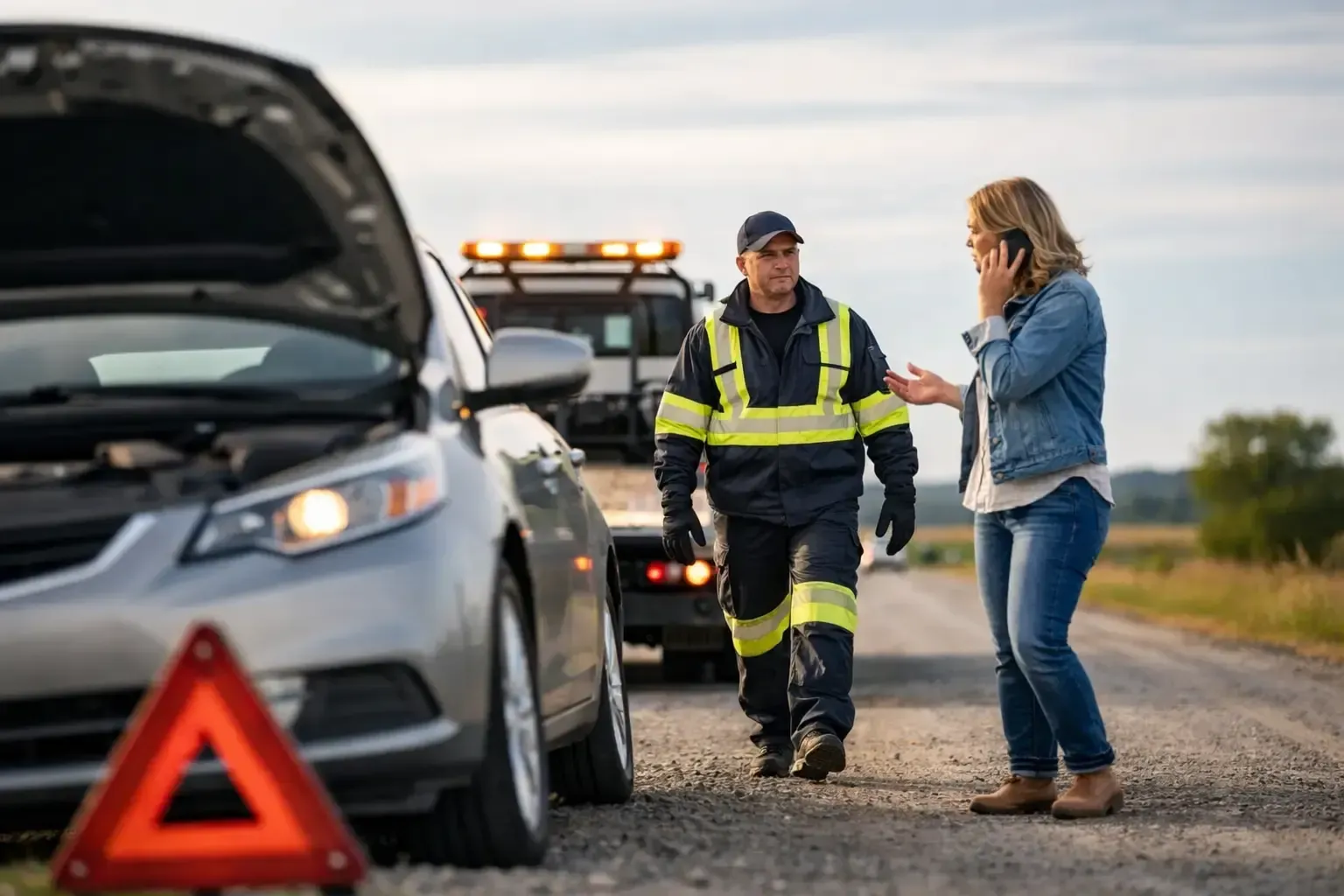
If your vehicle cannot be driven after an accident, dependable towing can simplify the first step. Having your vehicle transported directly to a qualified repair facility keeps the process moving and avoids the hassle of arranging multiple stops. From there, a clear estimate and repair plan can help you understand the work ahead.
For many drivers in Dyersburg and the surrounding West Tennessee area, convenience matters just as much as the final finish. Free estimates and available vehicle pick-up and delivery can reduce the disruption when you are already dealing with missed work, family schedules, or insurance questions.
How to Protect a Newly Refinished Area
Once the repair is complete, follow the shop's specific care instructions. Fresh paint needs time to fully cure, and treatment during that period can affect the finish. Avoid harsh chemicals, abrasive polishing, and automatic car washes with aggressive brushes until you are told the paint is ready.
Hand washing with a mild automotive soap is typically the safer choice after the recommended curing period. Removing bird droppings, tree sap, and road salt promptly also helps protect both old and new paint. Regular care will not stop normal aging, but it can help the repaired area continue to look its best.
A car paint match should give you confidence when you walk back to your vehicle, not leave you looking for a color line at every angle. When damage happens, count on trained professionals to evaluate the repair honestly, explain the options clearly, and give your vehicle the careful finish it deserves.
Share On: